Key Takeaways
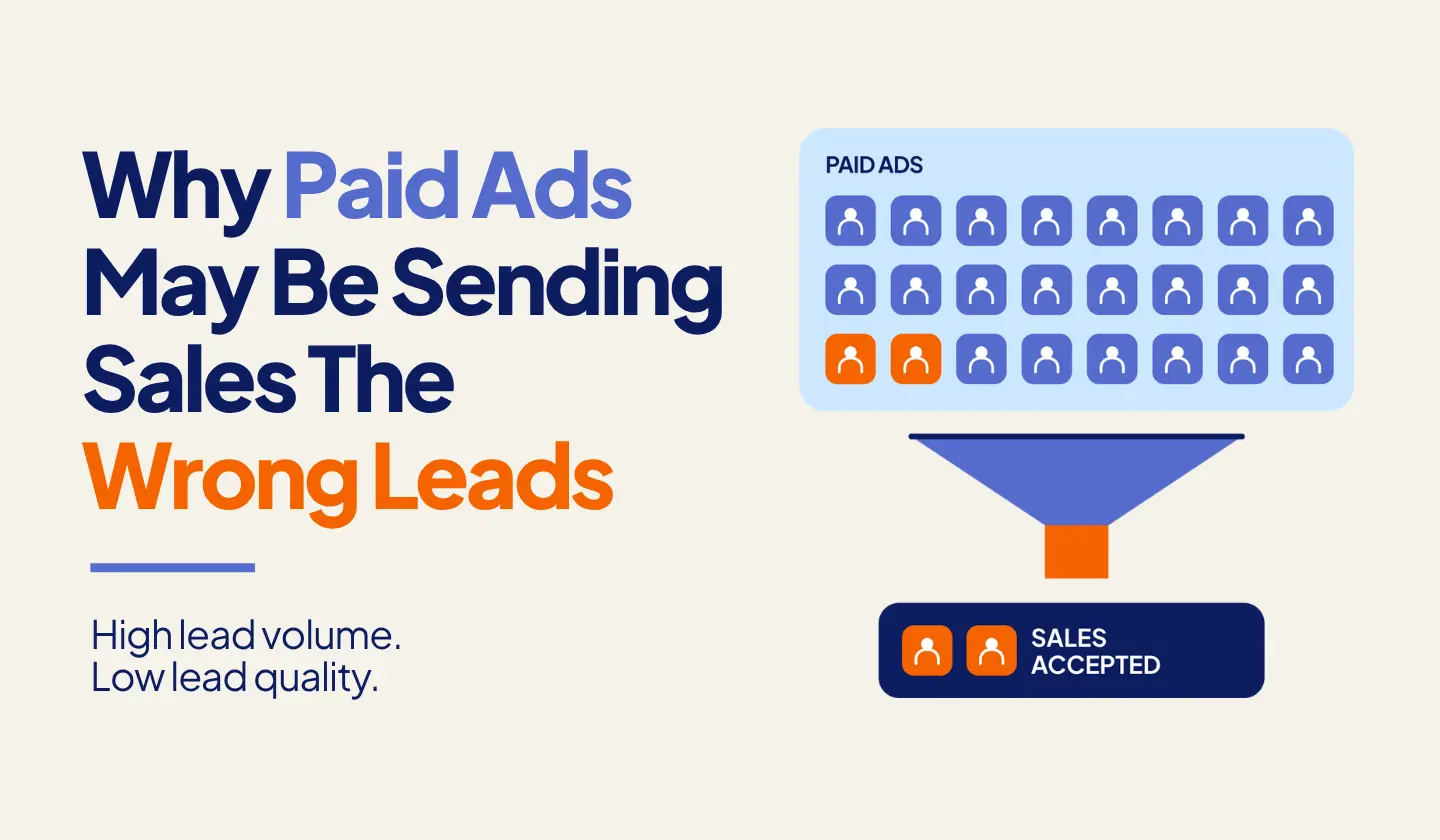
- In SaaS, lead generation should focus on qualified pipeline—not lead volume.
- Good ICP makes all campaigns targeted, relevant, and profitable.
- Pipeline growth can be supported via bottom-of-funnel SEO, comparison pages, LinkedIn outbound, paid search, webinars, and lifecycle email.
- Your best SaaS lead generation strategy depends on your stage, ACV, sales motion, and buyer journey.
- SaaS teams should be measuring demo bookings, SQLs, opportunities, pipeline value, CAC, LTV, and revenue influenced, not just traffic or form fills.
What Is SaaS Lead Generation?
SaaS lead generation is the process of attracting, capturing, qualifying, and nurturing potential buyers for a software product.
The goal is to turn the right prospects into demos, free trials, product qualified leads, sales qualified leads, opportunities, and paying customers.
Lead generation for SaaS companies is different from general lead generation. SaaS growth is dependent on recurring revenue, customer retention, product adoption, and long-term account value.
A lead isn’t worth anything just because someone filled out a form. A lead is valuable when they match your ideal customer profile, have a real problem your product solves, and have enough intent to move closer to a buying decision.
In SaaS, the majority of leads fall into a few key buckets:
| Lead Type | Meaning |
|---|---|
| Marketing Qualified Lead (MQL) | A lead that has indicated interest by downloading content, attending a webinar, visiting key pages, etc. |
| Sales Qualified Lead (SQL) | A lead that meets sales criteria and is ready for direct sales contact. |
| Product Qualified Lead (PQL) | A lead that demonstrates buying intent through product usage, team-mate invitations, or key feature usage. |
A powerful SaaS lead generation system knows how to properly identify, segment, nurture, and route each type of lead.
If your team needs help building that system, Right Left Agency’s lead generation services are designed to help SaaS and B2B companies attract higher-quality leads and improve conversion.
Right Left Agency uses that will help you generate qualified SaaS leads and build a pipeline that helps scale recurring revenue.
Before You Start: Define Your Ideal Customer Profile
Before you launch any B2B SaaS lead generation campaign, know who your ideal customer is. Your ICP is the type of customer that is most likely to buy, use, and get value from your SaaS product.
No matter how good a campaign is, without clarity on your ICP, it will get the wrong people. You may get leads, but sales will waste time on prospects that don’t have the right budget, urgency, use case, or buying authority.
Your ICP should include:
- Target industry
- Company size
- Revenue range
- Team size
- Main pain points
- Buying triggers
- Decision-makers
- Budget range
- Current tools or software stack
- Use cases your product solves best
A weak ICP is too broad. A strong ICP gives your marketing and sales teams a clear target.
| Weak ICP | Strong ICP |
|---|---|
| SaaS companies | B2B SaaS companies with 50–200 employees |
| Marketing teams | Demand generation teams using HubSpot and Salesforce |
| Businesses that need automation | Customer success teams struggling with manual onboarding workflows |
| Ecommerce brands | Shopify Plus brands with high order volume and reporting challenges |
For example, an onboarding SaaS shouldn’t target all software companies. It could be more effective for companies seeking Series A or Series B B2B SaaS companies that are hiring customer success managers and aiming to enhance product activation.
That kind of focus helps to sharpen your messaging, makes your campaigns more relevant, and increases your lead quality.
Quick Overview: SaaS Lead Generation Strategies and Pipeline Role
| Strategy | Best For | Pipeline Role |
|---|---|---|
| Bottom-of-funnel SEO | High-intent buyers | Captures organic demand |
| Comparison pages | Decision-stage prospects | Converts vendor research into demos |
| LinkedIn outbound | Target accounts | Starts direct sales conversations |
| Cold email | Specific buyer segments | Creates outbound opportunities |
| Lead magnets | Problem-aware prospects | Builds a nurtureable lead list |
| Webinars | Mid-funnel buyers | Builds trust and demo interest |
| Paid search | Active buyers | Captures demand quickly |
| Retargeting | Warm website visitors | Brings prospects back to convert |
| Review platforms | Software evaluators | Builds trust during vendor comparison |
| Partner programs | Niche SaaS markets | Generates warmer referred leads |
| Free trials | Product-led SaaS | Turns product usage into pipeline |
| Email nurture | Unready leads | Moves leads toward sales readiness |
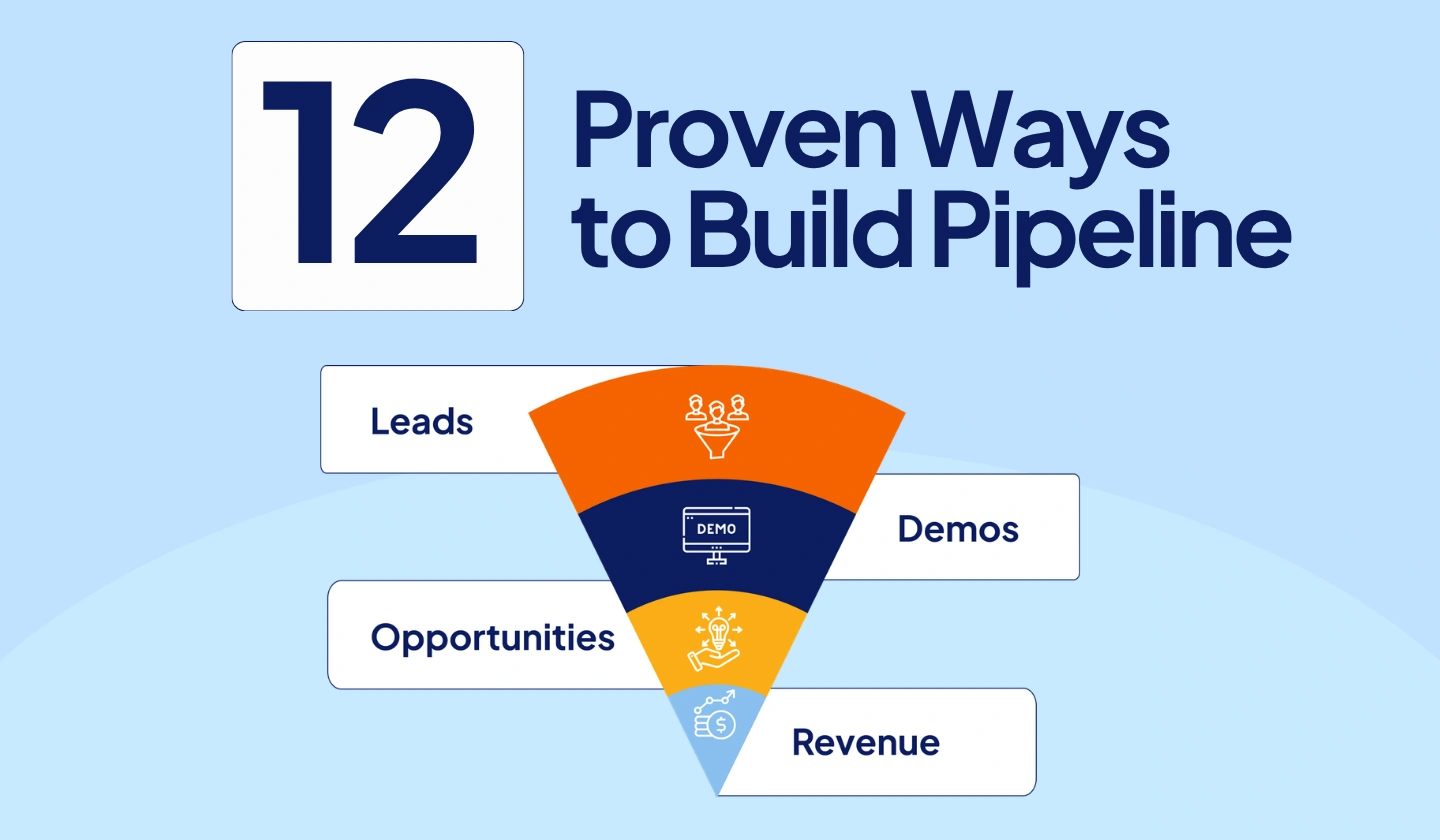
12 Proven SaaS Lead Generation Strategies to Build Pipeline
1. Create Bottom-of-Funnel SEO Content
Bottom-of-funnel SEO content is meant for buyers who are ready to decide.
These people are not reading for education only. They are comparing tools, looking for the best software for their situation, and doing research on solutions.
That’s why bottom-of-funnel content is one of the most effective SaaS lead generation strategies.
Examples of bottom-of-funnel keywords include:
- Best CRM for SaaS startups
- HubSpot alternatives
- Best onboarding software for B2B SaaS
- Project management software for agencies
- Best customer success tools
- Churn reduction software
- Sales forecasting tools for SaaS teams
If you have a SaaS product that helps customer success teams reduce churn, you could create pages around “customer success software,” “churn reduction tools,” “Gainsight alternatives,” and “best customer health score software.”
These topics attract buyers who already understand their problem and are actively looking for a solution. If organic search is part of your growth plan, learning how to generate organic leads can help you turn search traffic into more qualified demos and pipelines.
Create content around:
- Product comparison
- Contact Pages
- Use case pages
- Industry-specific pages
- Topics related to pricing
- “Best software” lists
- Problem solution articles
First step: Build a list of high-intent keywords your ideal buyers would search before they book a demo or start a trial.
Best metric to track: Organic demo requests, trial signups, SQLs, and pipeline value from SEO pages.
2. Build Comparison and Alternative Pages
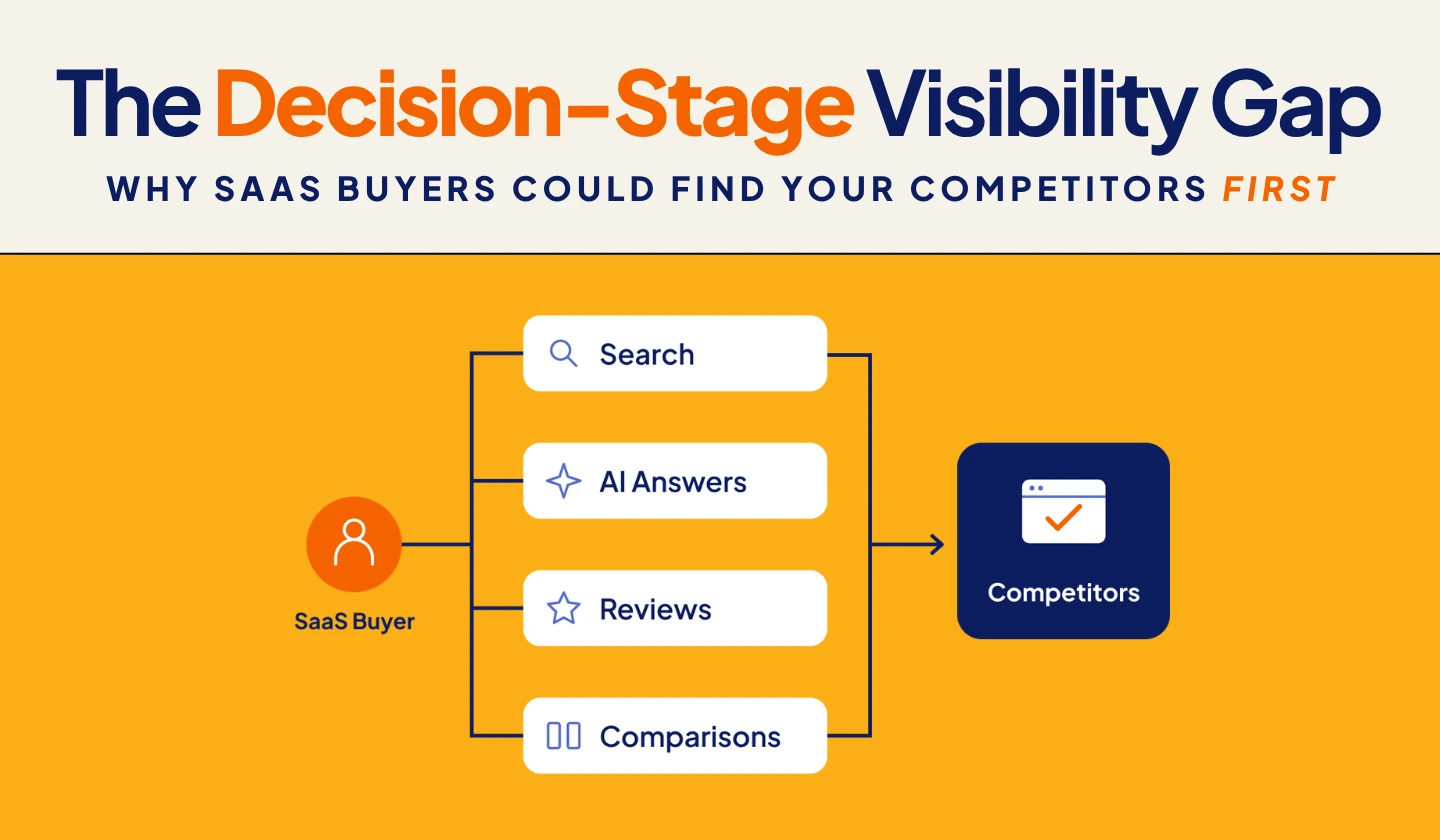
Comparison and alternative pages help you get in front of buyers who are already evaluating software options.
A prospect may look for:
- “Alternative to [Competitor Name]”
- “[Tool A] and [Tool B]”
- “Alternatives to [Software Name]”
- “[Category] software comparisons”
These searches have high buying intent. The user is not asking a simple question. They’re trying to make up their minds.
A good comparison page should be honest and helpful. Don’t position the page as “we are better than everyone.” Position it as, “Here is who each solution is best for and here is when our product is the right fit.”
Include:
- Features comparison
- Context of pricing
- Best fit customer profile
- Advantages and limitations
- Use case comparison
- Proof to client
- CTA for demo or trial
Instead of saying your tool is the best for all companies, say:
“If you need sales pipeline visibility and CRM integration with advanced reporting, but don’t want a complex setup, our platform is best for B2B SaaS teams.”
That type of positioning helps buyers self-qualify.
First step: Find your competitors and alternative tools that your prospects are already comparing during the buying process.
Best metric to track: The best metric to track is the demo conversion rate from the comparison and alternative pages.
3. Use LinkedIn Outbound for Targeted Prospecting
LinkedIn is a great B2B SaaS lead generation channel because you can target specific decision-makers by role, industry, company size, and business need.
But LinkedIn only works when your outreach is appropriate.
What typically gets overlooked are generic connection requests and copy-paste pitches. It’s not about pitching all of them. The aim is to have useful conversations with the right people.
A simple LinkedIn outbound flow could look like this:
| Step | Action |
|---|---|
| Step 1 | Send a relevant, non-pitch connection request |
| Step 2 | Engage with their posts, company updates, or pain points |
| Step 3 | Send a short message tied to a specific problem or trigger |
| Step 4 | Offer a helpful next step, such as a resource, audit, or short conversation |
For example, instead of sending:
“Hey, we help SaaS companies grow. Want to chat?”
Try something more specific:
“Hi [Name], noticed your team is scaling customer onboarding. We work with SaaS teams trying to reduce manual onboarding work and improve activation. I thought it would be useful to connect.”
This feels more human because it starts with context, not a hard pitch.
First step: Build a small list of high-fit accounts and decision-makers before sending any outreach.
Best metric to track: Connection acceptance rate, reply rate, booked meetings, and SQLs.
4. Run Segmented Cold Email Campaigns
Cold email can still work for SaaS lead generation, but only when the targeting is narrow and the message is relevant.
Most cold email campaigns fail because they attempt to reach too many people with a generic message.
Segment cold email prospects based on:
- Industry
- Company size
- Position title
- Pain point
- The present tool
- Trigger event
- Funding stage
- Employment activity
- Tech stack
For example, an onboarding SaaS could target newly-funded B2B SaaS companies seeking customer success managers. That signals the company might be ramping up onboarding and needs better activation workflows.
What a good cold email for SaaS looks like:
- A pertinent introduction
- A distinct pain point
- A simple value proposition
- Evidence or credibility
- A super low-friction CTA
Sample CTA: “Is a quick chat worth it to see if this could help your team reduce manual reporting work?”
Make cold email targeted, respectful, and easy to opt out. A smaller, highly relevant list is usually better than a large, poorly segmented list.
First step: Pick a thin slice, and write one message just for them.
Best metric to track: The best metrics to track are the positive response rate, meetings set, and opportunity creation rate.
5. Create High-Value Lead Magnets
Lead magnets attract potential buyers before they’re ready to book a demo.
But generic ebooks rarely build a strong pipeline. The best SaaS lead magnets are those that solve a specific problem for a specific audience.
Some examples include:
- ROI calculator
- Cost savings calculator
- SaaS benchmark report
- Audit checklist
- Implementation template
- Buyer’s guide
- To-do list workflow
- Worksheet for comparison
- Pipeline calculator
- Playbook: onboarding
For example, a sales analytics SaaS might include a “Sales Pipeline Health Checklist” to help revenue teams identify gaps in forecasting, reporting, and deal management.
The reason this works is that it’s directly tied to the value of the product.
You can also map lead magnets by funnel stage:
| Funnel Stage | Lead Magnet Example |
|---|---|
| Top of funnel | Industry benchmark report |
| Mid funnel | ROI calculator, checklist, or playbook |
| Bottom of funnel | Buyer’s guide, comparison worksheet, or demo checklist |
After someone downloads the asset, do not immediately push for a sale. Use a nurture sequence that educates them, builds trust, and moves them closer to a demo or trial.
First step: Create one lead magnet that solves a painful problem your ICP already cares about.
Best metric to track: Conversion rate, MQL rate, and demo conversion from nurture.
6. Host Webinars and Live Product Sessions
Webinars are a great way for SaaS companies to educate prospects, ask questions, and show off your expertise.
The best webinars are problem-led, not product-led.
Rather than having a webinar titled: “Experience Our Product”
Use a phrase like: “Improving SaaS Team Onboarding Visibility to Reduce Churn”
It draws in the people who care about the problem. During the session, you’ll be able to organically connect the problem with your product’s solution.
Useful SaaS webinar formats are:
- Webinars for education
- Product demonstration sessions
- Customer panels
- Interviews with experts
- Use case workshop
- Industry trend conversations
- Live teardown sessions
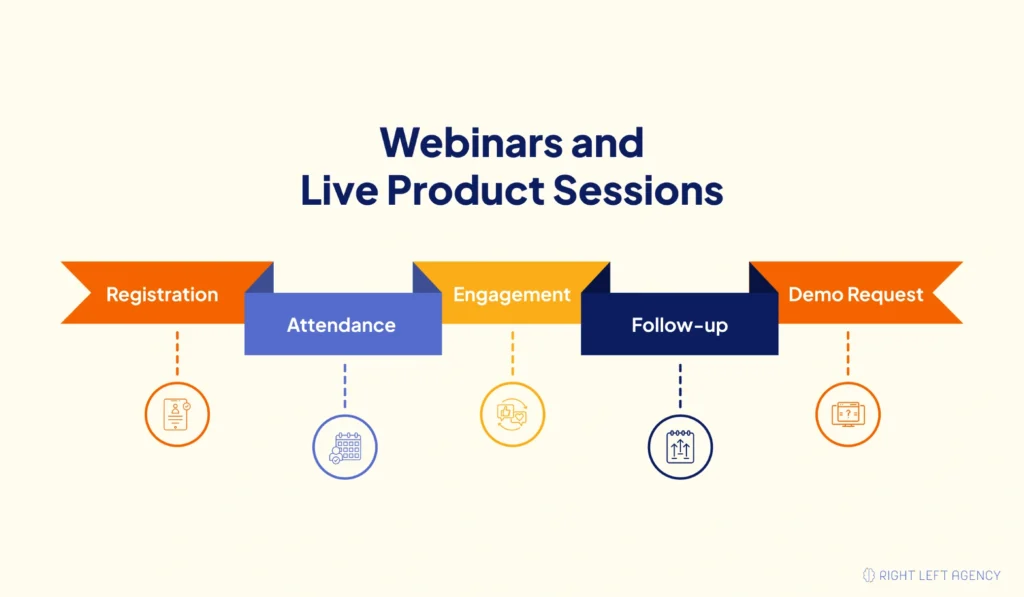
Just as important as the webinar itself is the follow-up.
| Audience Segment | Follow-Up |
|---|---|
| Participated and questioned | Send demo invite or personal follow-up |
| Showed up but didn’t play | Send recording, key takeaways, and resources |
| Registered but did not appear | Send a shorter recap and invite to the next session |
| Product Section Viewed | Share product use case or customer story |
First step: Pick one painful problem your ICP is already working to solve and create the webinar around that problem.
Best metric to track: Attendance rate, engagement, demo requests, pipeline influence.
7. Use Paid Search for High-Intent Keywords
Paid search can accelerate SaaS lead generation when your campaigns reach buyers with clear intent. Paid search works well for SaaS companies when it is part of a larger SaaS marketing system that connects messaging, landing pages, lead capture, and pipeline tracking.
Lots of SaaS companies fall into the trap of spending money on broad keywords, which result in low-quality clicks. Instead, focus on search terms where someone is looking for a solution to a problem.
The examples include:
- Best software in [Category]
- [Industries] [Software category]
- Alternative competitor
- Software [Use Case]
- [Problem] Answer
- [Tool A] vs [Tool B]
Don’t send someone to a general homepage when they’re searching for “best customer onboarding software.” Send them to a landing page that is relevant to the use case, addresses the pain point, and shows product value and proof.
A good paid search landing page will include:
- Clean headline
- Unique value proposition
- Pain point messaging
- Benefits of the product
- Social proof
- Summary
- CTA for trial or demo
- Relevant use cases
Paid search should be measured carefully too. The cheapest leads are not the best leads. Track which campaigns drive SQLs, opportunities, and customers.
First step: Begin with a small group of high-intent keywords and send traffic to dedicated landing pages.
Best metrics to track: The best metrics to track are cost per qualified lead, demo conversion rate, CAC, and pipeline generated.
8. Retarget Website Visitors
Most SaaS buyers don’t convert on their first visit.
They read a blog post, visit your pricing page, review your features, compare your product, and walk away empty-handed.
Retargeting helps to bring those warm visitors back.
You can retarget users who visited:
- Pricing pages
- Demo pages
- Product pages
- Comparison pages
- Blog posts
- Case studies
- Free trial pages
The message should match the visitor’s behavior.
| Visitor Behavior | Retargeting Message |
|---|---|
| Pricing page visited | Encourage them to schedule a demo or talk to sales |
| Read post | See a related guide, webinar, or checklist |
| Page comparison | Content of customer proof or use-case |
| Started signup for trial but left | Display onboarding support or trial reminder |
| Case study viewed | See similar customer success story |
Retargeting has to lead, not follow. Use frequency caps and rotate messages so prospects see helpful next steps instead of the same ad over and over again.
First step: Create separate retargeting audiences based on page behavior and buyer intent.
Best metric to track: Return visitor conversion rate, assisted conversions, and demo requests.
9. Build Visibility on Review Platforms
SaaS buyers often use review platforms when they are comparing software.
Platforms like G2, Capterra, Software Advice, and TrustRadius can influence buying decisions because they offer third-party validation from real users.
Review platforms often influence buyers after they already know the software category. That means traffic from these platforms may be less than blog traffic but can have a higher purchase intent.
SaaS companies should:
- Raise awareness
- Gather customer testimonials
- Maintain product profiles
- Emphasize best use cases
- Add screenshots and feature details
- Respond professionally to reviews
- Add review badges to landing pages
- Track competitor positioning
Strong reviews help with both trust and conversion. They also help sales teams because prospects often want proof before booking a demo or signing a contract.
First step: Identify your happiest customers and ask for reviews focused on outcomes, use cases, and support experience.
Best metric to track: Referral traffic, demo requests from review sites, and conversion rate from review platform visitors.
10. Create Partner and Referral Programs
Partnerships and referrals can be a source of warmer SaaS leads because trust is already established before the first sales conversation.
This is particularly useful for niche SaaS companies. A referral from a trusted agency, consultant, integration partner, or existing customer can speed the way to a sales conversation.
SaaS partnership types:
- Partnerships with agencies
- Partnerships for integration
- Technology partnerships
- Partnerships with affiliates
- Referral programs for clients
- Co-marketing arrangements
- Consulting partnerships
For instance, an e-commerce analytics SaaS might collaborate with Shopify development agencies. These agencies already work with e-commerce brands that may need better analytics, dashboards, and reporting.
The best partners usually have three qualities:
| Partner Quality | Why It Matters |
|---|---|
| They already serve your ICP | They can get you in front of the right buyers |
| They comprehend the problem you solve | They can clearly explain your value |
| They have trust with your target audience | Their recommendation is important |
Plus, a solid partner program includes a clear referral process, effortless partner enablement, co-marketing assets, and a way to track partner-sourced pipeline.
First step: Make a list of companies, consultants, agencies, or platforms that already work with your ideal customers.
Best metric to track: The best metric to track: partner-sourced leads, referral conversion rate, and partner-generated pipeline.
11. Use Free Trials or Product-Led Signup Flows
For many SaaS companies, the product itself can become a lead generation channel.
Free trials, freemium plans, and self-serve signup flows let users experience value before they even talk to sales. It’s a common pattern in product-led growth.
But product-led lead generation only works if users see value fast. If people come in and get confused, they’ll leave before they understand why the product is important.
To make product-led signup flows work:
- Reduce sign-up friction
- Deliver value quickly
- Walk users through onboarding
- Track product adoption
- Find activation events
- Score product qualified leads
- Initiate sales outreach at the right time
Examples of activation events include:
- Inviting a team member
- Importing data
- Integrating a connection
- Making your first project
- Finishing a big workflow
- Reaching a usage limit
- Employing an advanced feature
A product-qualified lead, or PQL, is a user who demonstrates buying intent via product behavior. These signals enable sales teams to target users who are already interested.
First step: Define the product actions that show real buying intent, then use those actions to identify PQLs.
Best metric to track: Trial signups, activation rate, PQLs, trial-to-paid conversion, and expansion opportunities.
12. Nurture Leads With Email and Lifecycle Campaigns
Not every SaaS lead is ready to buy today.
Some leads need a bit of instruction. Some require internal approval. Some are comparing different vendors, while others like your product but are waiting for the right time to move forward.
That’s why SaaS lead nurturing is critical.
A good nurture system moves leads from interest to action. It answers objections and builds trust, while keeping your product top of mind.
Helpful nurture emails include:
- Welcome messages
- Academic materials
- Case studies
- Product applications
- Comparison tables
- Webinars invitations
- Examples of ROI
- Demo tips
- Trial activations
- Campaigns for re-engagement
A simple nurture flow could look like this:
| Purpose | |
|---|---|
| Email 1 | Welcome the user or serve the resource |
| Email 2 | Educate about the pain point |
| Email 3 | Share a case study on the topic |
| Email 4 | Objection handling |
| Email 5 | Get the lead to book a demo or start a trial |
The best nurture campaigns are segmented. A founder downloading a pricing guide should not be receiving the same emails as a marketing manager reading a beginner-level blog post.
Segment by:
- Position
- Business
- Stage of the funnel
- Content seen
- Use of the product
- Lead rating
- Size of the company
- Problem
First step: Build one nurture sequence for a high-value lead source, such as demo page visitors, webinar attendees, or lead magnet downloads.
Best metric to track: Email engagement, MQL-to-SQL conversion, demo bookings, and reactivated leads.
Why SaaS Lead Generation Should Focus on Pipeline, Not Just Leads
A common error that SaaS companies make is going after lead volume.
More traffic is good. More downloads? Sounds good. Adding more contacts to your CRM is nice, but it does not matter if those leads never turn into demos, SQLs, opportunities, or customers.
A pipeline-first approach asks a better question: “Will these leads turn into real revenue opportunities?”
This is important because a few qualified leads can bring in more revenue than thousands of poor-fit contacts.
For example, 1,000 ebook downloads from students, freelancers, and poor-fit companies may not generate as much revenue as 25 demo requests from companies that fit your ICP.
| Lead-Focused Approach | Pipeline-Focused Approach |
|---|---|
| Measures form fills | Measures qualified opportunities |
| Prioritizes volume | Prioritizes fit and intent |
| Sends every lead to sales | Segments and qualifies leads first |
| Tracks traffic and downloads | Tracks demos, SQLs, and pipeline value |
| Focuses on activity | Focuses on revenue impact |
A strong SaaS pipeline generation strategy aligns marketing and sales around a single goal: turning the right prospects into real opportunities. This is especially important when companies face common B2B SaaS lead generation challenges like poor lead quality, weak follow-up, high CAC, and sales-marketing misalignment.
SaaS Lead Generation Strategies by Company Stage
Not every SaaS company should use the same lead generation strategy.
The best channel depends on your stage, budget, sales cycle, ACV, product maturity, and buyer journey.
| SaaS Stage | Best Lead Generation Strategies | Why It Works |
|---|---|---|
| Early-stage SaaS | Founder-led outbound, LinkedIn, niche SEO, community | Helps in validating ICP and starting early conversations |
| Growth-stage SaaS | SEO, paid search, webinars, nurture, review sites | Creates repeatable pipeline across different channels |
| Enterprise SaaS | ABM, partnerships, executive content, events | Allows for complex transactions & longer buying cycles |
A low-ACV self-serve SaaS may depend more heavily on SEO, paid search, and product-led signups. High ACV enterprise SaaS may need ABM, outbound, executive content, and partner-led pipeline.
Focus on learning for early-stage SaaS startups. Focus on repeatability for growth stage SaaS companies. Focus on account quality and buying committee engagement for enterprise SaaS companies.
How to Measure SaaS Lead Generation Success
Correctly measure SaaS lead generation by looking beyond traffic and form submissions.
The better question isn’t: “How many leads did we get?”
The more relevant question is: “How many qualified opportunities were generated by our lead gen efforts?”
Full-funnel measurement of metrics:
| Funnel Stage | Metrics to Track |
|---|---|
| Purchase | CTR, landing page conversion rate, website visitors |
| Lead generation | Form submissions, demo requests, trial signups |
| Certification | Lead score, ICP fit, MQL rate, SQL rate |
| Sales Funnel | Number of demo bookings, opportunities, pipeline value |
| Product-led motion | Activation rate, PQLs, trial-to-paid conversion rate |
| Revenue | CAC, LTV, win rate, length of sales cycle, revenue influenced |
When SaaS teams measure pipeline impact, they are better able to decide which channels to spend more money on. Having SaaS marketing ROI knowledge is crucial for teams to be able to identify the campaigns that are delivering tangible revenue, not just reporting on traffic, clicks, or form fills.
For example, a channel can generate a lot of cheap leads with few opportunities. Another channel can bring fewer leads but better demos. The second channel could be worth a lot more.
Common SaaS Lead Generation Mistakes to Avoid
Even strong SaaS products can struggle to generate leads when the strategy is not clear.
Here are the most common mistakes and how to fix them:
| Mistake | Fix |
|---|---|
| Targeting too broad an audience | Narrow your ICP by industry, company size, role, pain point, and buying trigger |
| Focusing only on lead volume | Track SQLs, opportunities, pipeline value, and revenue impact |
| Creating generic content | Build content around specific use cases, pain points, and buying stages |
| Sending the same message to every segment | Personalize messaging by role, industry, and problem |
| Using weak landing pages | Match landing page copy to search intent, campaign promise, and buyer pain |
| Not following up quickly | Create automated and sales-led follow-up workflows |
| Sending unqualified leads to sales | Use lead scoring and clear qualification rules |
| Ignoring product usage signals | Track activation events and identify PQLs |
| Not aligning sales and marketing | Define shared lead stages, qualification criteria, and pipeline goals |
| Abandoning leads too early | Use nurture campaigns to stay top of mind until buyers are ready |
The biggest mistake is treating SaaS lead generation as a grab bag of tactics.
A webinar, cold email campaign, SEO article, paid ad, or lead magnet does not perform well unless it is part of a bigger pipeline strategy.
SaaS Lead Generation vs SaaS Demand Generation
SaaS lead generation and SaaS demand generation are similar, but not the same.
Demand generation builds awareness, trust, and interest. Lead generation takes that interest and turns it into identifiable prospects.
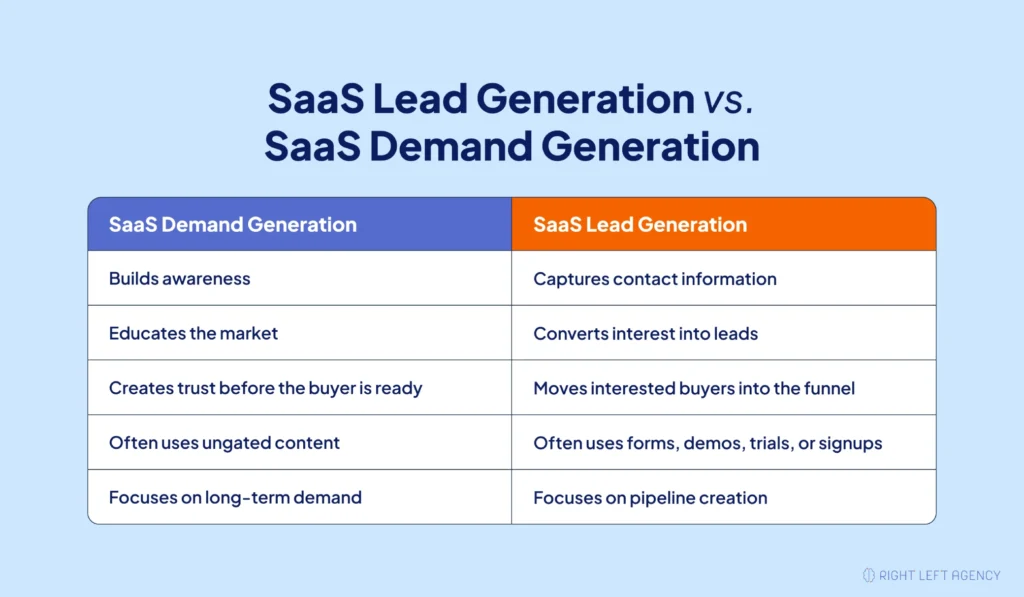
| SaaS Demand Generation | SaaS Lead Generation |
|---|---|
| Builds awareness | Captures contact information |
| Educates the market | Converts interest into leads |
| Creates trust before the buyer is ready | Moves interested buyers into the funnel |
| Often uses ungated content | Often uses forms, demos, trials, or signups |
| Focuses on long-term demand | Focuses on pipeline creation |
SaaS companies need both to achieve best results.
Demand generation helps buyers understand the problem, and trust your brand. SaaS lead generation converts that interest into measurable sales opportunities.
SaaS Lead Generation Framework: From Visitor to Pipeline
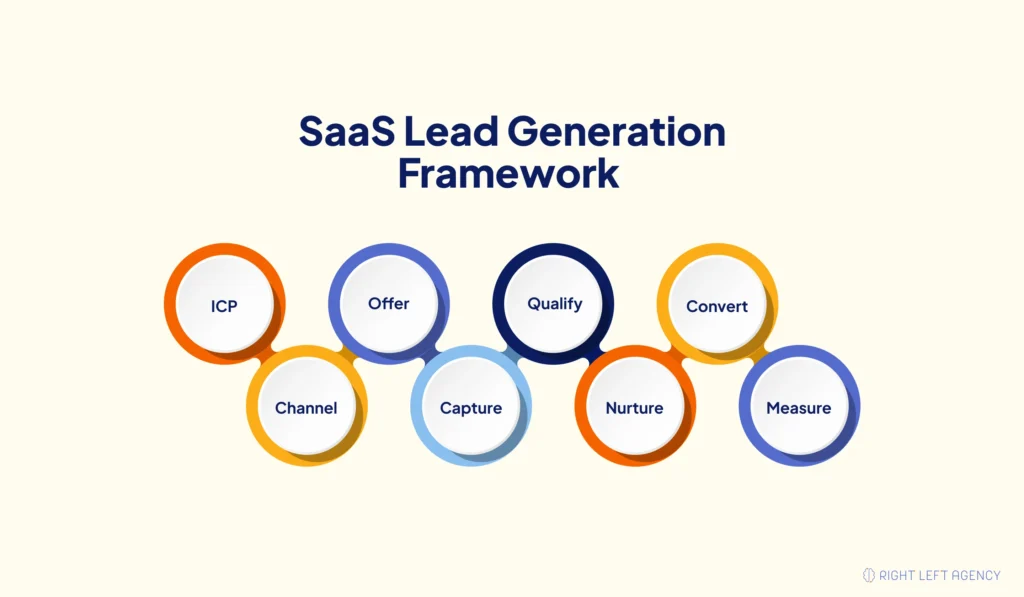
Apply this framework to audit your current lead generation system. If any step is weak, the entire pipeline can collapse.
ICP → Channel → Offer → Capture → Qualify → Nurture → Convert → Measure
Here is how each step works:
| Step | What It Means |
|---|---|
| ICP | Know who your best customers are |
| Channel | Pick where to get to them |
| Offer | Give them a meaningful reason to engage |
| Capture | Turn interest into a lead, demo request, trial, or signup |
| Qualify | Score leads based on fit, intent, and behaviour |
| Nurture | Train and mentor leads until they’re ready |
| Convert | Convert qualified leads into demos, trials, opportunities, and customers |
| Measure | View the entire journey from first touch to revenue |
This framework keeps your strategy focused on the pipeline, not just marketing activity.
Final Thoughts
SaaS lead generation isn’t about stuffing your CRM with as many contacts as possible.
It’s about creating a system that attracts the right buyers, qualifies them properly, nurtures them with relevant information, and turns them into a real pipeline.
The best SaaS companies don’t rely on a single channel. They put together SEO, outbound, paid search, webinars, review platforms, referrals, product-led growth, and lifecycle email into one connected growth system.
Begin with your ICP. Then pick the channels that are right for your buyers, create offers that solve real problems, and measure success by pipeline quality, not lead volume. When every tactic is linked to buyer intent, sales readiness, and revenue impact, SaaS lead generation becomes more than a marketing activity.
It becomes a predictable engine for recurring revenue and pipeline expansion. If your SaaS company is generating leads but not enough qualified pipeline, Right Left Agency can help connect SEO, paid advertising, email marketing, and conversion strategy into a more predictable growth system.
FAQs About SaaS Lead Generation
What is SaaS lead generation?
SaaS lead generation is the process of attracting, capturing, qualifying, and nurturing potential buyers of a software product. The objective is to turn the right prospects into demos, trials, sales-qualified leads, opportunities, and paying customers.
How do SaaS companies generate leads?
SaaS companies generate leads through SEO, content marketing, cold email, LinkedIn outreach, paid ads, webinars, review platforms, partnerships, referrals, and product-led signup flows. The right mix depends on the ICP, product maturity, pricing model, and sales cycle.
What is the best SaaS lead generation strategy?
The best SaaS lead generation strategy depends on your audience and growth phase. A good mix for many B2B SaaS companies is bottom-of-funnel SEO, targeted outbound, paid search, email nurture, and product-led conversion paths.
How do you generate qualified B2B SaaS leads?
Have a clear ICP, target high-intent channels, create specific messaging, qualify leads by fit and behavior, and align sales and marketing around pipeline quality.
What is the difference between MQL, SQL, and PQL?
An MQL is a lead who shows marketing engagement. An SQL is a lead that meets sales criteria and is ready for outreach. A PQL is a lead who shows buying intent through product usage.
How do you measure SaaS pipeline generation?
Demo requests, MQLs, SQLs, opportunities, trial conversions, pipeline value, CAC, sales cycle length, and revenue influenced.
Why is lead nurturing important for SaaS?
Lead nurturing is important because many SaaS buyers are not ready to buy immediately. Nurture campaigns educate prospects, answer objections, build trust, and move leads closer to a demo, trial, or purchase decision.